
Quality and Characteristics of Persian Carpets
Quality and Characteristics of Persian Carpets
What is a Persian carpet?
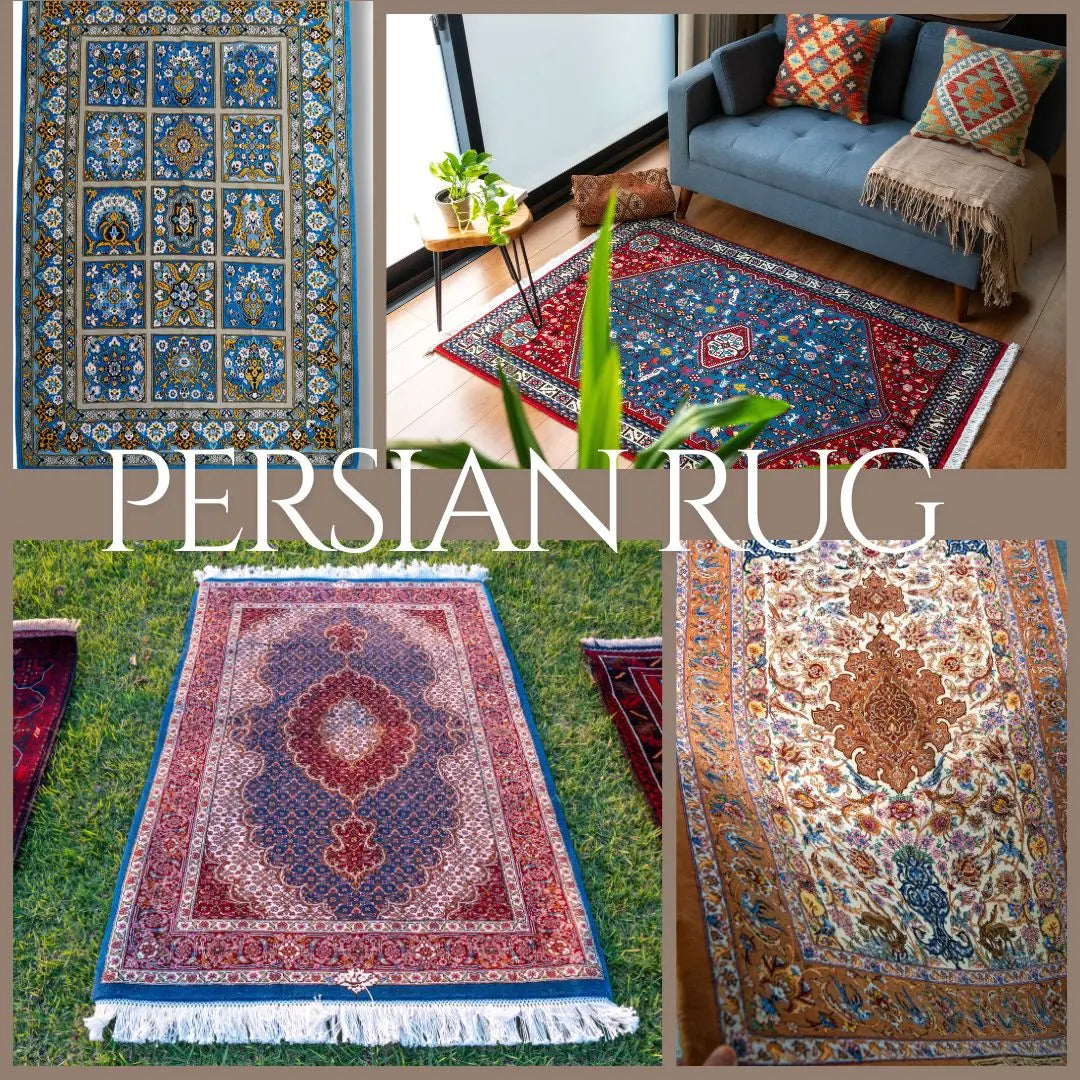
Persian carpets are one of the world's most highly esteemed traditional crafts. Carpets woven throughout Iran have different patterns and weaving techniques depending on the region, and their diversity and beauty have led them to be called "works of art." Carpets are more than just floor coverings; they are important objects that reflect centuries of history and culture. Hand-woven Persian carpets, in particular, are characterized by their durability, intricate designs, and use of natural materials, and are highly sought after by collectors and enthusiasts around the world.

Factors that determine the quality of Persian carpets
Use of natural materials
Persian carpets are made from natural materials such as high-quality wool, silk, and cotton. The texture and luster of the wool vary depending on the place of origin, resulting in differences in feel and durability. Silk carpets in particular are well-suited to expressing delicate patterns, making them popular as highly decorative pieces.

Knot density (fineness of weave)
One of the key criteria for determining quality is knot density. The finer the weave, the more intricate the pattern and the more durable the carpet. High-density carpets can take several years to produce, making them rarer and more valuable.

Design and locality
Persian carpets have distinctive patterns and color schemes depending on the region in which they are woven, and each has its own unique character.
Representative Persian carpets from all over Iran
Tabriz carpets
Tabriz, located in northwestern Iran, is one of the centers of carpet production. They are known for their delicate floral and medallion designs and are woven at a very high density. They are popular as collector's items worldwide.

Nine Carpets
Nain carpets are characterized by their elegant colors, based on muted ivory and blue. They come in grades called 9La and 6La, which are woven at high density and feature delicate and elegant patterns.

Isfahan carpets
Carpets made in the ancient city of Isfahan are characterized by their gorgeous designs that reflect the culture of the royal court. They are made from silk and high-quality wool, and often feature intricate floral and arabesque patterns, and are known for their high artistic quality.

Kashan carpets
Kashan is a traditional carpet-producing region, characterized by vibrant color schemes based on deep red and blue. Many designs are centered around medallions, representing the image of classic Persian carpets.

Kerman carpets
Kerman carpets are made from soft wool and feature vibrant colors and a wide variety of designs. In addition to traditional floral patterns, they also feature detailed landscapes and portraits, and are highly regarded for their artistic quality.

Qom carpets
Qom is a region famous for its silk carpets. With their fine weave and vibrant colors, they are loved by museums and collectors around the world. Even though they are small, they boast high artistic value and are considered to be a great investment.

Persian carpets and Gabbeh
The charm of Gabbeh
Another popular rug, alongside Persian rugs, is the Gabbeh, woven by nomads in the Zagros Mountains in southern Iran. Gabbeh is a simple carpet made from thick, loosely woven wool, soft to the touch, and has excellent heat retention.

Design Features
Gabbeh carpets are free-flowing in design, reflecting the lifestyle of nomads with animals, plants, and geometric patterns. Unlike the intricate designs of Persian carpets, they are popular for their simple and warm atmosphere.
summary
Persian carpets are works of art that reflect the history and culture of various parts of Iran. From the intricate designs of Tabriz and Isfahan, the elegant colors of Nain, the beauty of the silk of Qum, and the rustic Gabbeh, each carpet has its own unique charm. Their quality is determined by the materials, fineness of the weave, and design, and each one has unique value. The greatest feature of Persian carpets is that they not only serve as interior décor, but also continue to be cherished as cultural assets passed down through generations.