
What are handwoven carpets? How to choose them and their characteristics by origin, the appeal of Persian, Afghan, Pakistani, and Kilim carpets
What are handwoven carpets? Characteristics by origin and how to choose them | The appeal of Persian, Afghan, Pakistani, and Kilim carpets
Handwoven carpets are carefully woven one by one by hand. Due to their rich texture and high durability, they have been gaining attention in Japanese interior design in recent years. However, their characteristics vary greatly depending on the place of origin, material, and weaving method, making it a little difficult for first-time buyers to choose one. In this article, we will explain the appeal of each carpet and tips on how to choose one, focusing on the major production areas of Persia, Afghanistan, Pakistan, and kilim . Using as examples handwoven carpets that are popular on the online shopping site decorworksjapan.com , we will show you how to find one that you can enjoy for a long time.
What is a hand-woven carpet?

A handwoven carpet is a carpet in which artisans use a loom to tie each thread one by one and create the pattern by hand. Unlike industrially mass-produced machine-woven rugs, handwoven carpets are carefully woven over a period of months or even years, making them highly durable and improving in quality the more they are used. The patterns also reflect history, tribal culture, nature, prayers, and more, and each carpet has its own unique story, which is a major attraction.
Characteristics of handwoven carpets by production area
Hand-woven carpets from Persia (Iran)

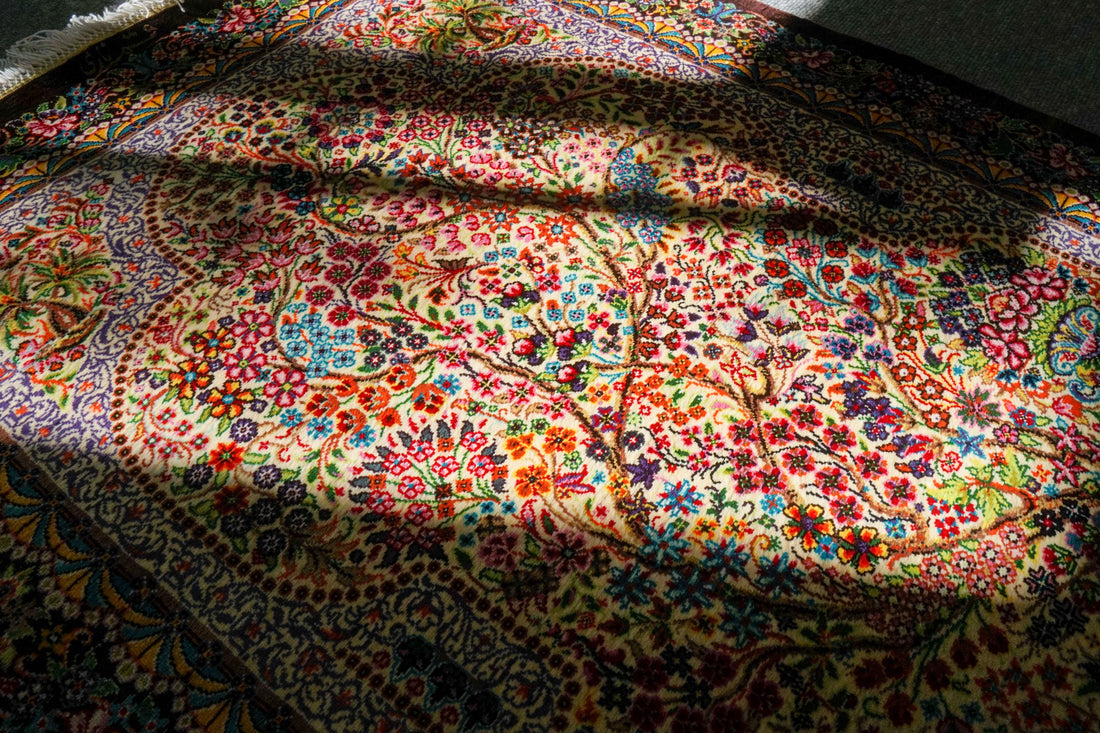
Persia is so famous around the world that carpets are synonymous with the region. Iran's cities of Isfahan, Nain, Tabriz, Kashan, and Qom each have their own traditional designs, and these carpets are intricately woven from silk and high-quality wool. Their gorgeous medallion patterns, floral arabesque designs, and pale ivory and blue tones are popular. They exude a dignified and elegant atmosphere, and decorworksjapan.com carries a wide range of carpets, from entrance mat size to large sizes.
Handwoven carpets from Afghanistan

They feature simple yet powerful designs with deep red and navy tones. Many of these rugs are tribal, with patterns varying by region, including Baluchi, Karl Mohammedi, and Tuba weave . Their striking geometric patterns complement Japanese modern and vintage furniture. Wool is oily and durable, becoming more flexible with use. Pairing them with kilims has also become popular in recent years.
decorworksjapan.com
Handwoven carpets from Pakistan

Famous for its iconic designs such as the Bukhara and Jalda patterns , the area is known for its tightly woven, smooth texture and lustrous wool. Relatively thin, light and easy to handle, it is an easy-to-use region for those new to handwoven carpets. The colors are often red, beige and brown, and when paired with simple furniture, they can really bring a space to life.
Handwoven kilim (flat weave) carpets

Kilims are handwoven, flat-weave carpets with a low pile. They are produced in a wide range of regions, including Turkey, Iran, Afghanistan, and Morocco, and are characterized by their light and soft texture. Often featuring geometric patterns and bright color schemes, simply laying them down adds an ethnic touch. They are easy to fold, and are popular as picnic rugs, wall tapestries, and sofa covers.
How to choose a handwoven carpet
Shop by size
- A small accent rug that changes the impression just by laying it down.
- A focal size to place in front of the sofa. Balance with the furniture is important.
- It tightens the impression of a spacious space and creates a classic atmosphere reminiscent of overseas locations.

Choose by pattern

Knowing the meaning behind the patterns makes choosing even more fun.
Medallion pattern: Symbol of harmony and eternity
Floral arabesque: Prosperity and vitality
Geometric patterns: Tribal symbols and family crests
How to care for a hand-knotted carpet
Share information about your brand with customers, describing your products, making announcements, and welcoming them to your store.
Precautions for daily use
Avoid direct sunlight (to prevent fading)
Rotate 180 degrees about once a year (to even out wear)
Absorb spills immediately (to prevent stains)
By having your furniture professionally cleaned and maintained once a year, it can continue to look beautiful for 10 or 20 years. decorworks (decorworksjapan.com) also offers cleaning services.
Choose from handwoven carpets at decorworksjapan.com

decorworksjapan.com directly imports and sells carefully selected, authentic hand-woven carpets, including Persian carpets, Afghan carpets, Pakistani carpets, and kilims . From small to large sizes, all are one-of-a-kind. Our staff will carefully guide you through the textures and colors that cannot be conveyed through photographs alone, so even first-time buyers can make a confident choice. We can also suggest coordination ideas to match your interior.